Black History Month: Highlighting Influential African American Leaders
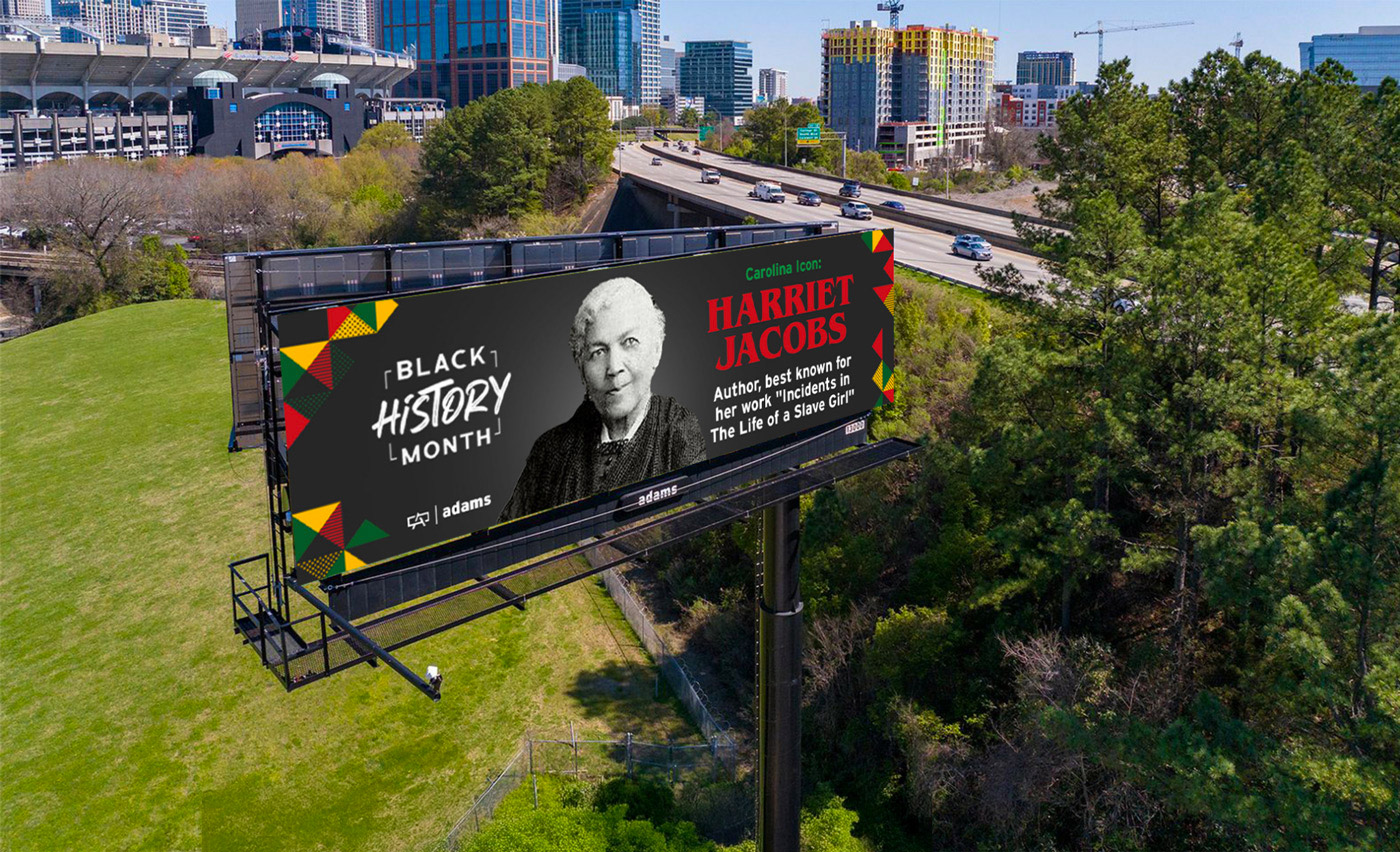
Adams Outdoor is honored to celebrate the remarkable African Americans and Carolina Icons who paved the way in the fight for civil rights and shaped our nation’s history. This Black History Month, our Greensboro, Greenville, Raleigh and Charlotte markets are proudly showcasing influential Black leaders on our digital billboards, supported by incredible creative that brought their legacies to life in a meaningful way. We’re recognizing the lasting impact they’ve made through courage, perseverance, and resilience in the face of adversity.
As part of our Black History Month celebration, we’re sharing more about each leader’s legacy and the powerful contributions that earned them a place on our boards, honoring their stories and the progress they helped create.
Black Leaders Who Advanced Equality and Justice

Ella Baker
NAACP Field Leader and Co-Founder of SNCC Who Advanced Grassroots Civil Rights Organizing
Ella Jo Baker (1903–1986) was a pivotal leader in the Civil Rights Movement who believed deeply in the power of everyday people to create lasting change. Born in Norfolk, Virginia, and raised in North Carolina, Baker developed her commitment to social justice and racial equality at a young age through hearing the stories of her grandmother, a woman who had been enslaved.
Baker played essential roles in three of the most consequential civil rights organizations of the twentieth century: the NAACP, where she served as a field secretary and later director of branches beginning in 1940; the Southern Christian Leadership Conference (SCLC), which she helped organize alongside Dr. Martin Luther King Jr. in 1957; and the Student Nonviolent Coordinating Committee (SNCC), which she was instrumental in founding in 1960.
A champion of grassroots organizing, she mentored emerging leaders and encouraged communities to recognize their collective strength. Known as “Fundi,” meaning teacher of the next generation, her legacy continues to influence movements for racial justice, economic justice, and civil rights today.
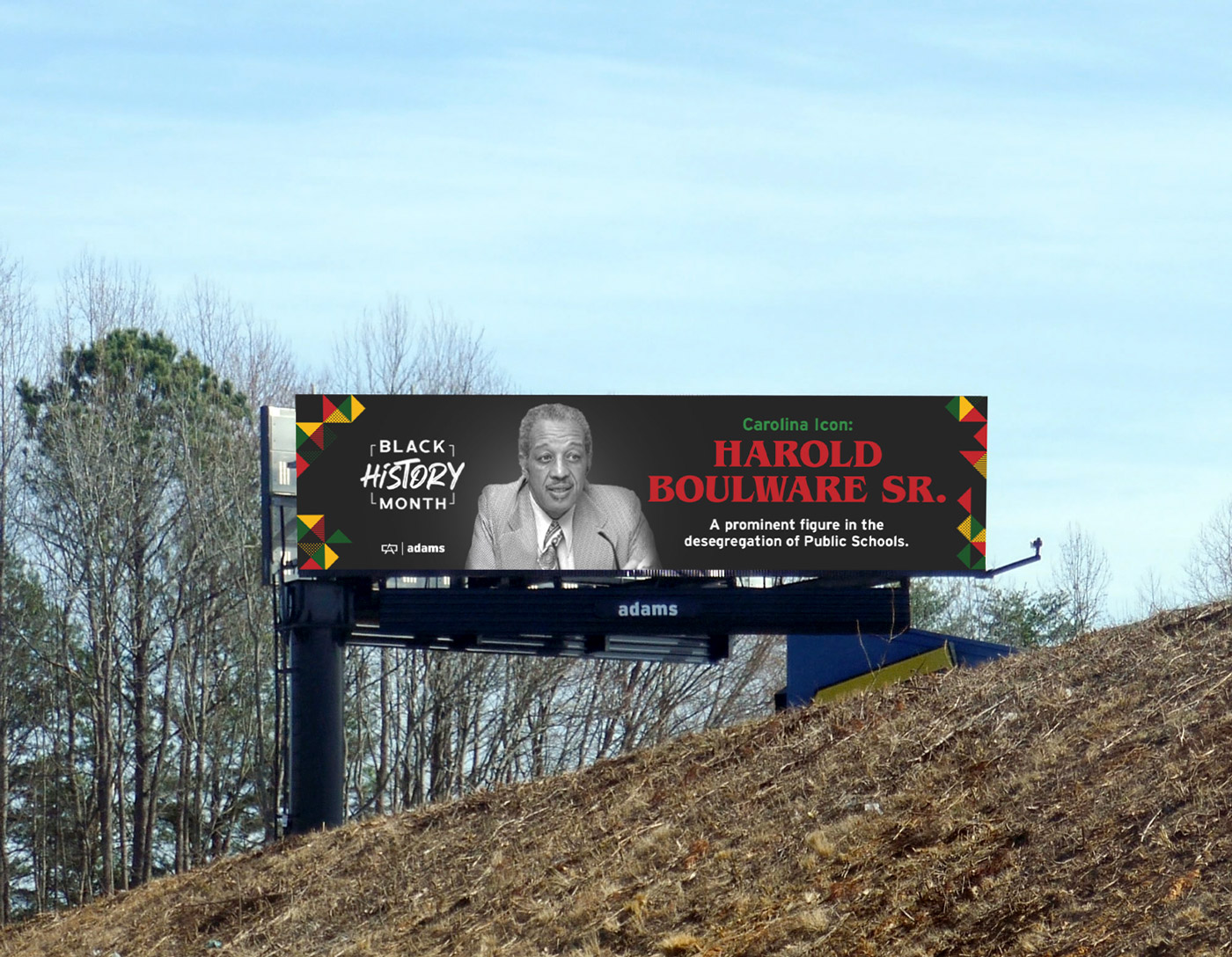
Harold Boulware Sr.
NAACP Chief Attorney in Briggs v. Elliott and Champion of School Desegregation
Harold R. Boulware (1913–1983) was a groundbreaking civil rights attorney whose legal work helped advance school desegregation and equal rights in South Carolina and across the United States. Born in Irmo, South Carolina, Boulware studied law at Howard University School of Law, where he was mentored by civil rights legal giants Thurgood Marshall and Charles Hamilton Houston. His goal was to address the lack of representation for African Americans.
As chief counsel for the South Carolina NAACP, he led efforts to secure equal pay for Black teachers and served as chief attorney in Briggs v. Elliott — a landmark case consolidated into the historic Brown v. Board of Education (1954) decision that desegregated public schools in 1954. Later appointed as one of Columbia Municipal Court’s first African American judges, Boulware’s career reflects integrity, courage, and a lifelong dedication to civil rights and equality under the law.

Harriet Jacobs
Author, Best Known for Her Work, “Incidents in The Life of a Slave Girl”
Harriet Jacobs (1813–1897) stands as one of the most important voices in African American history. Her autobiography, Incidents in the Life of a Slave Girl (1861), remains the most significant slave narrative written by an African American woman. Born into slavery in Edenton, North Carolina, Jacobs endured years of sexual harassment and abuse at the hands of her enslaver and spent nearly seven years hidden in a tiny crawl space beneath her grandmother’s roof in order to protect her children from being sold.
After escaping to the free North in 1842, Jacobs became involved in the abolitionist movement in Rochester, New York, where she befriended reformers including Frederick Douglass and Quaker activist Amy Post. Writing under the pseudonym “Linda Brent,” she completed her autobiography in 1858 and published it in 1861. She courageously exposed the realities of slavery, including the sexual exploitation of enslaved women, a perspective rarely acknowledged at the time. Beyond her writing, Jacobs dedicated her life to relief work and advocacy for formerly enslaved people, leaving a lasting impact on the fight for freedom, human rights, and racial equality.
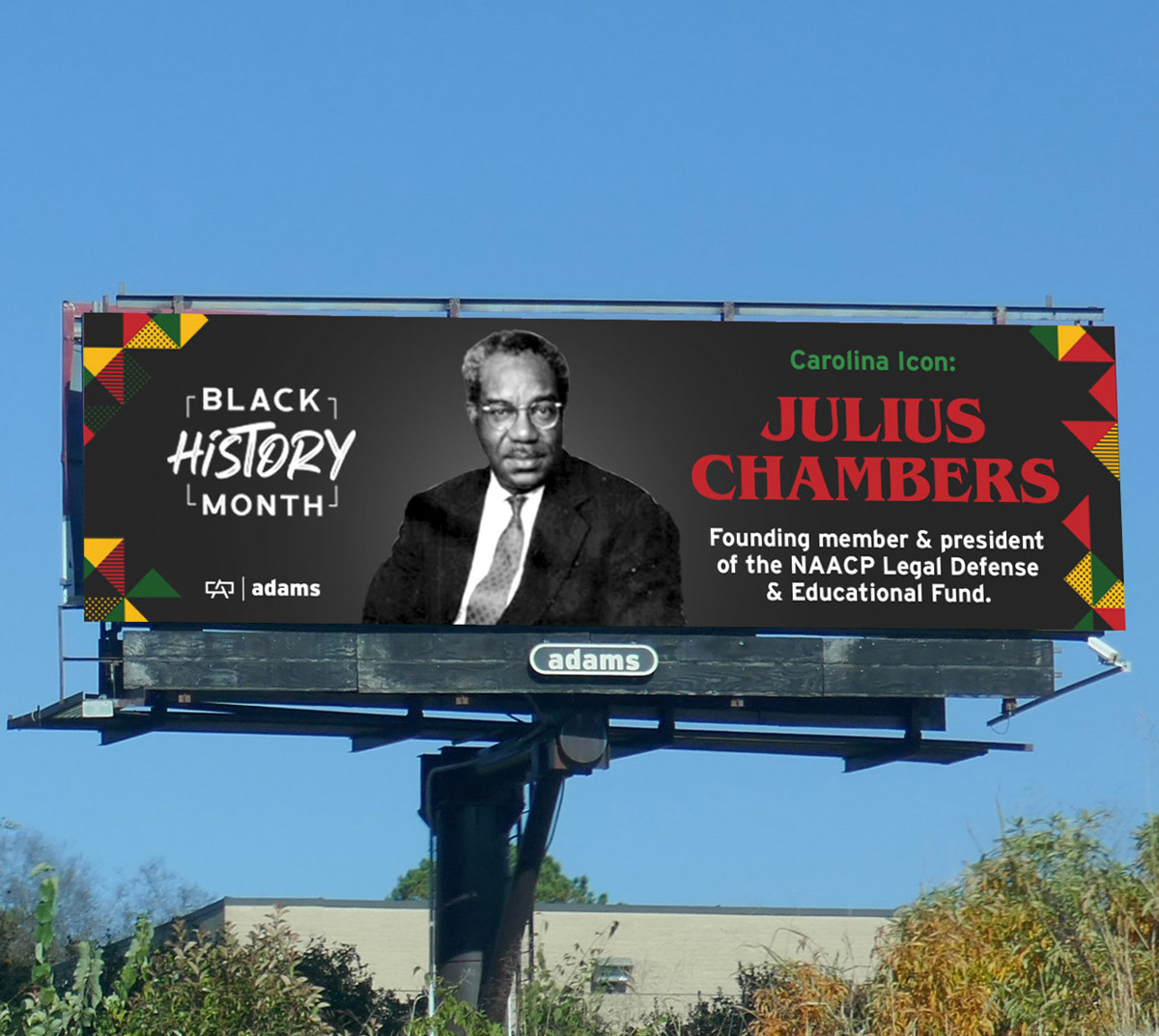
Julius Chambers
NAACP Legal Defense Fund Director and Lead Attorney in Swann v. Charlotte-Mecklenburg
Julius L. Chambers (1936–2013) was one of the nation’s most influential civil rights lawyers, shaping the legal framework for desegregation, voting rights, and employment equality. Born in segregated Mount Gilead, North Carolina, Chambers was shaped by a formative childhood experience: watching his father, a Black auto mechanic, be cheated out of money by a white customer while no attorney in the county would take the case. He resolved then to become a lawyer who would fight for equal protection under the law.
Chambers went on to graduate first in his class from the University of North Carolina School of Law — the first African American editor-in-chief of the school’s law review and the first Black member of the Order of the Golden Fleece, UNC’s highest honorary society. Selected by Thurgood Marshall to become the first intern at the NAACP Legal Defense Fund (LDF), Chambers returned to Charlotte in 1964 and founded what would become the first integrated law firm in North Carolina history. In 1984, Chambers became the third Director-Counsel of the NAACP Legal Defense Fund, succeeding Thurgood Marshall and Jack Greenberg.
Chambers argued landmark U.S. Supreme Court cases, including Swann v. Charlotte-Mecklenburg Board of Education (1971) and Griggs v. Duke Power Co. (1971), advancing protections against discrimination in education and the workplace. He returned to North Carolina in 1993 to serve as Chancellor of North Carolina Central University, later founding the UNC Center for Civil Rights to continue training the next generation of civil rights attorneys. Despite facing violence and intimidation — his home bombed, his car dynamited, his office firebombed — he remained steadfast in his pursuit of justice. His legacy continues to define modern civil rights litigation and equal protection law.
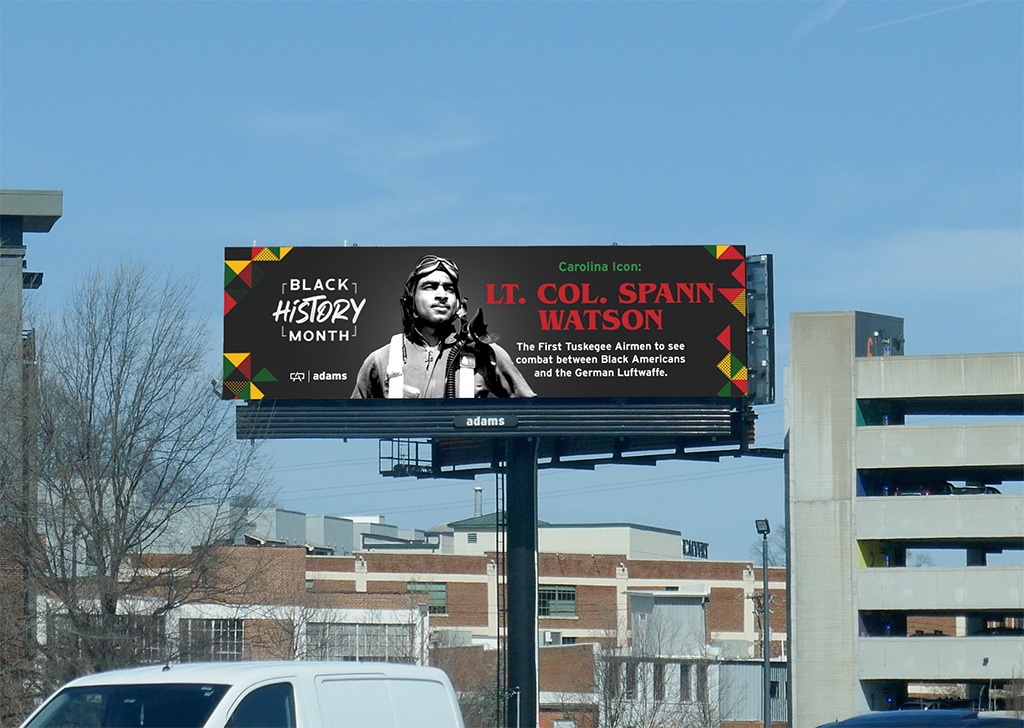
Lt. Col. Spann Watson
Tuskegee Airman and Combat Pilot in the 99th Fighter Squadron
Lt. Col. Spann Watson (1916–2010) was a pioneering member of the Tuskegee Airmen, breaking racial barriers in military aviation during World War II. Born in Johnston, South Carolina, Watson enlisted as a Flying Cadet in November 1941 and completed his pilot training at the segregated Tuskegee Army Air Field in Alabama. As one of the first African American pilots to engage in air combat, he served with distinction in the 99th Fighter Squadron.
Over a 23-year military career, Watson helped train pilots and supported the integration of the United States Armed Forces, contributing to greater opportunity within the military. He flew more than 30 combat missions over North Africa, Sicily, and the Italian mainland. His decorations include the Air Medal with two Oak Leaf Clusters, the Legion of Merit, and the Army Commendation Medal.
After his service, he continued advocating for equal opportunity through the Federal Aviation Administration, helping expand careers in aviation for minorities. He was a founding member and two-term president of Tuskegee Airmen Incorporated, the organization that preserves the legacy of the 99th and the 332nd. His story represents courage, leadership, and progress during a critical chapter in Black military history.
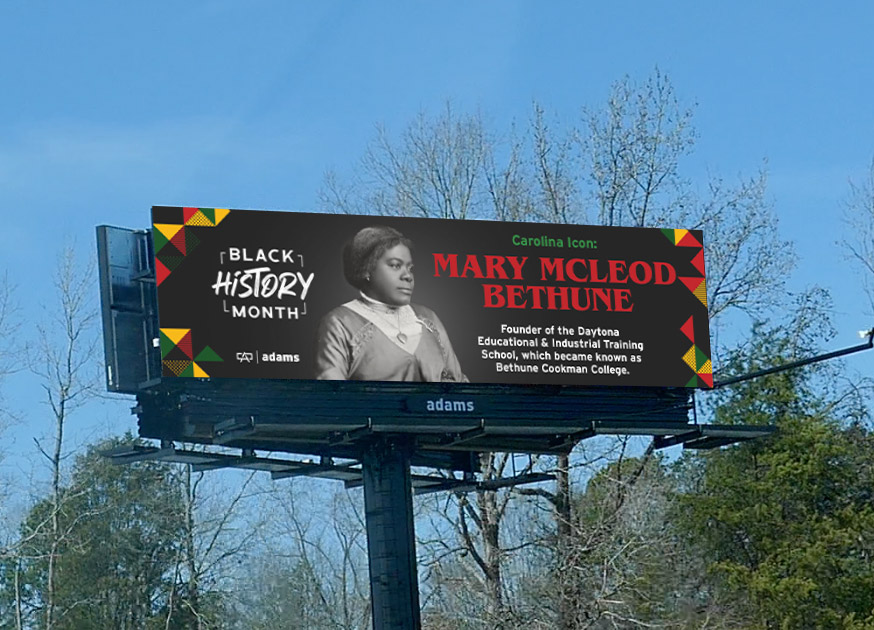
Mary McLeod Bethune
Founder of Bethune-Cookman University and Director of Negro Affairs in the National Youth Administration
Mary McLeod Bethune (1875–1955) was a visionary Black educator, women’s rights advocate, and civil rights leader whose impact shaped American history. Born in South Carolina, the daughter of parents who had been enslaved, she became one of the most influential figures in twentieth-century America.
In 1904, with only $1.50 in hand, Bethune founded what would become Bethune-Cookman University in Daytona Beach, Florida. The school grew rapidly into a nationally respected institution that set the educational standard for historically Black colleges. In 1935, she founded the National Council of Negro Women (NCNW), which became one of the most powerful Black women’s organizations in the country, coordinating activism across dozens of affiliate organizations.
In 1936, President Franklin D. Roosevelt appointed Bethune director of the Division of Negro Affairs in the National Youth Administration, making her the first African American woman to hold a high-level federal government post. She organized and led what became known as FDR’s “Black Cabinet” — a group of Black federal officials who advised the President on civil rights issues and worked to direct New Deal resources toward African American communities.
Bethune was a vice president of the NAACP, a delegate to the founding conference of the United Nations in 1945, and a tireless advocate for voting rights, anti-lynching legislation, and racial dignity. Her legacy continues to influence conversations around education equity, women’s leadership, and civil rights advocacy.
Honoring Black History and Amplifying Powerful Voices
Black History Month is a time to reflect on the leaders who shaped the Civil Rights Movement and advanced racial equality, but it’s also an opportunity to ensure their stories continue to be seen and heard. At Adams Outdoor, we believe out-of-home advertising has the power to elevate important voices, spark meaningful conversations, and strengthen the communities we serve.
By highlighting influential African American leaders on our digital billboards, we are proud to use our platform to honor their legacy and celebrate Black history in a visible, impactful way. As we continue to grow across our markets, we remain committed to supporting initiatives that inspire, educate, and bring communities together.
👉 Contact us today to learn more about these opportunities and how you can join us in making a difference.